
For years, the saga of fugitive father Tom Phillips has haunted New Zealand like an open wound. Since vanishing into the King Country bush with his three children — Ember, Maverick, and Jayda — in December 2021, Phillips has defied police, frustrated search efforts, and ignited a firestorm of debate over whether he is a desperate father or a dangerous abductor.
But now, a revelation has broken the silence: the children themselves have spoken. And what they revealed could change everything we thought we knew about the case.
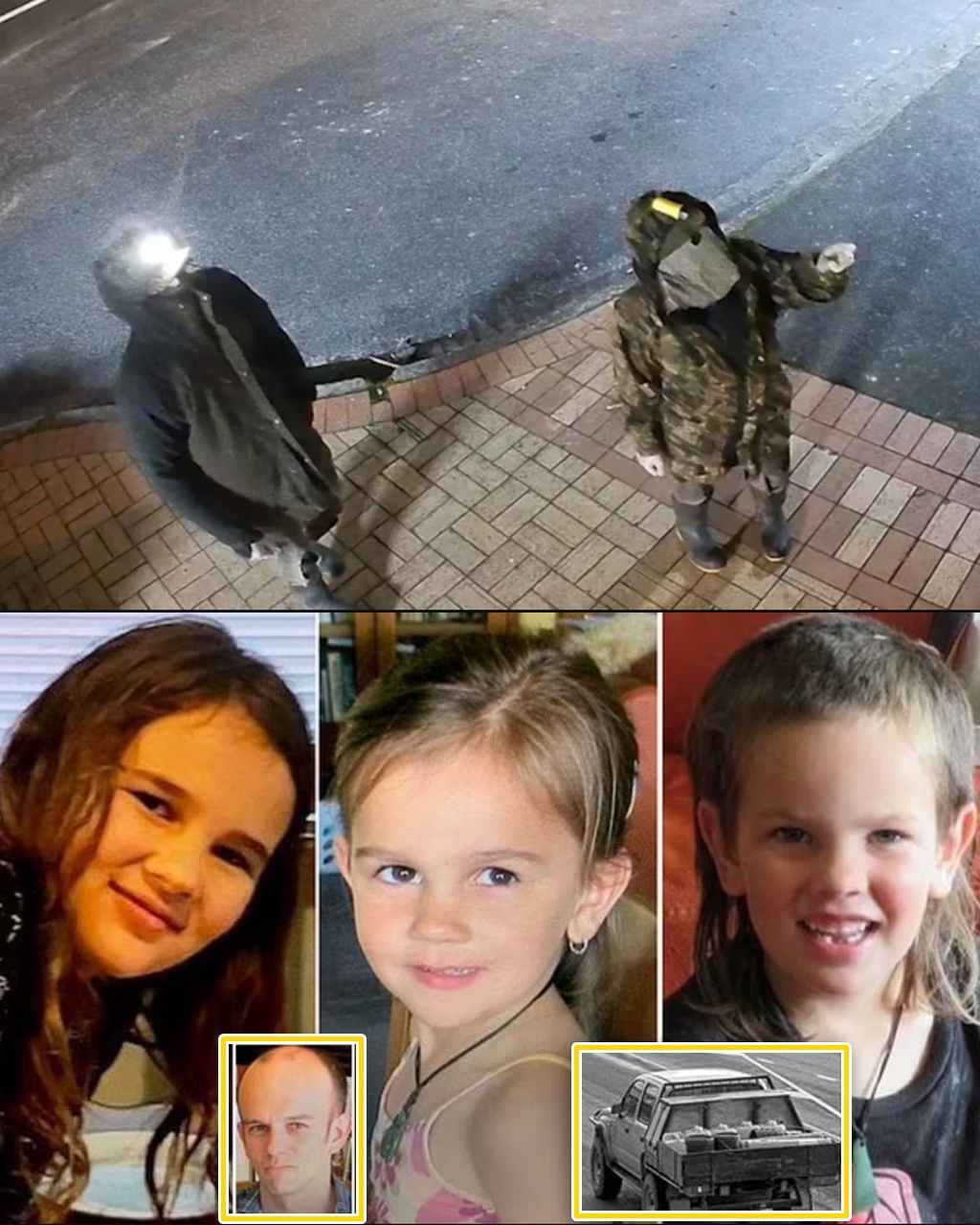
The Stunning Admission
According to insiders close to the investigation, one of Phillips’ children allegedly confided: “We were never alone.”
That single sentence detonated like a bomb. For years, speculation swirled that Phillips had help — someone on the outside providing food, supplies, even cover from authorities. The child’s confession not only confirmed those suspicions, but went further: they revealed the accomplice’s identity.
Authorities, however, have refused to publicly confirm the name.
Why the Silence?
The lack of response from police has enraged the community. If the accomplice has been identified, why has no one been arrested? Why has there been no public update?
Former officers and legal experts suggest several disturbing possibilities:
Connections in high places. Could the accomplice be someone with ties to local authority, making intervention politically dangerous?
A cover-up of past failures. Admitting the truth might expose embarrassing lapses in the original investigation.
Child safety fears. Police may believe revealing the accomplice’s name could put the children in more danger.
Yet every day of silence fuels speculation — and mistrust.
A Community on Edge
In Waikato and beyond, emotions are running hot. Many locals feel betrayed by the possibility that someone among them has been enabling Phillips all along.
“We thought he was alone out there, just a dad and his kids,” one resident said. “Now we find out there’s someone else? Someone we probably know? It makes your skin crawl.”
Others, however, remain loyal to Phillips, insisting that the accomplice is a “guardian angel” helping a father protect his children from what he believed was a broken system.
The Children’s Cry for Help?
What makes this revelation most haunting is that it came from the children. After years of living in isolation, survival, and secrecy, their decision to reveal the truth could signal a breaking point.
Psychologists warn that growing up in such conditions can leave deep psychological scars — mistrust, trauma, and fractured identities. By revealing the accomplice, the children may be reaching out for something they’ve been denied for years: safety and normalcy.
The Questions That Won’t Go Away
Now, the case sits at a boiling point. If the accomplice’s identity is known, what are police waiting for? Why keep the public in the dark?
Theories run rampant:
Was the accomplice a family member shielding Phillips?
A close friend willing to risk everything?
Or someone in power, whose exposure would cause a scandal bigger than the case itself?
A Saga at a Crossroads
The Tom Phillips story has never been simple. It is part survival tale, part family tragedy, part national scandal. But the revelation of an accomplice — exposed not by police, but by the children themselves — has transformed it into something darker.
For New Zealand, the question is no longer just where are they?
It’s who is protecting them — and why has nothing been done?
Until those answers come, the Phillips saga will remain more than a disappearance. It will remain a mirror — reflecting not just the choices of one fugitive father, but the failures and silences of the system meant to stop him.
“THE TRUTH IS FINALLY EXPOSED” — Autopsy Reveals Fat:al Inc0:nsistencies in Tom Phillips’ Inju-ries, Raising Alarming Questions About What Really Happened
A devastating twist has rocked the Tom Phillips case after forensic details from his autopsy leaked — and they don’t align with the official police account. For weeks, authorities maintained that Phillips was fatally shot after refusing to comply, a straightforward confrontation ending in tragedy. But the autopsy paints a much darker, more complicated picture.
According to the report, the trajectory and nature of Phillips’ wounds raise troubling inconsistencies. Instead of a close-range, defensive scenario described in police statements, forensic examiners identified entry points suggesting shots may have come from angles inconsistent with the officers’ positioning. Even more chilling, one wound reportedly indicates Phillips could have been on the ground when a fatal bullet struck.

“The evidence doesn’t match what we’ve been told,” one insider close to the forensic team revealed. “If anything, it suggests a level of force and intent that goes far beyond the official story.”
Critics argue this revelation could mean two things: either the police misrepresented key details of the standoff, or there was another shooter involved — a possibility that would upend everything the public has been led to believe.
The autopsy also notes bruising and markings on Phillips’ wrists and arms, sparking speculation that he may have been restrained or incapacitated before the final moments. Authorities have not addressed these findings, fueling outrage and suspicion of a potential cover-up.
For Tom’s grieving children, the forensic evidence raises unbearable questions. Was their father executed rather than confronted? Was the chaos of that night deliberately misrepresented to protect those responsible?
Public demand for transparency is growing louder, with calls for the release of full bodycam footage and an independent investigation. As the contradictions pile up, one thing is certain: the official version of Tom Phillips’ death is collapsing under the weight of forensic truth — and the story the world thought it knew may only be the surface of something much darker.


