
Buckingham Palace has accelerated its plans for the transition of the British monarchy to 2025 in response to the deteriorating health of King Charles III. The 76-year-old monarch faces ongoing treatment for cancer, diagnosed in 2024, leading to a significant reduction in his public schedule and placing Prince William, the heir to the throne, in a prominent leadership role.
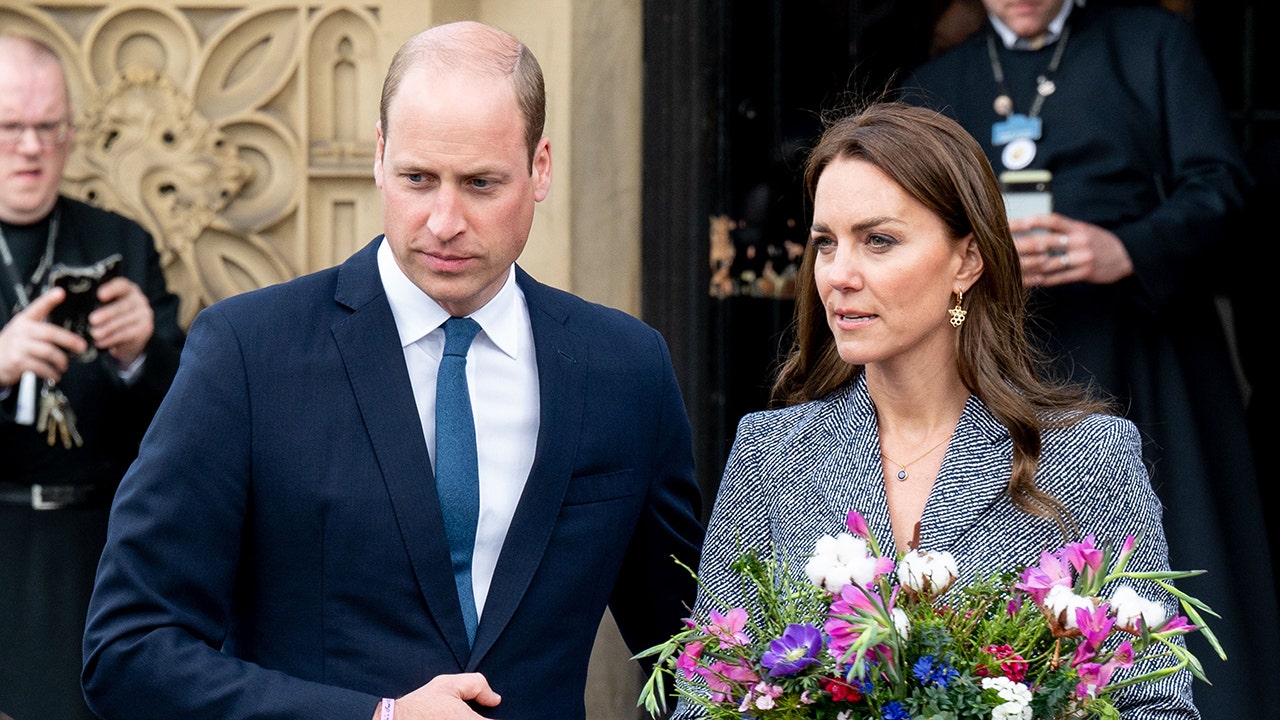
Since June, the Prince of Wales has taken on most of the official responsibilities and commitments previously assigned to his father. Alongside him, the Duchess of Wales, Kate Middleton, has also increased her public appearances following her recovery from cancer treatment, focusing her activities on issues related to children’s health and well-being.
The Crown’s strategy aims to project an image of stability and continuity for both the United Kingdom and the Commonwealth nations. The division of duties and the increased public appearances of the Welsh couple were seen as calculated moves to ensure that the functions of the monarchy remained unchanged during the king’s reign.
The King’s Status and Adjustments to the Crown
King Charles III’s cancer diagnosis was announced in early 2024, following a procedure to treat benign prostatic hyperplasia. Since then, the Palace has adopted a media policy aimed at balancing the monarch’s privacy with the need to inform the public about his ability to perform his constitutional functions.
Recent tests have shown the disease is progressing, leading the medical team to recommend he significantly reduce his activities. The king’s agenda, which in 2024 had over 200 commitments, has been reduced to under 50, projected for 2025, focusing on private meetings and cabinet duties.
[MVG_PROTECTED_BLOCK_0]
Prince William’s New Leadership Role
With his father reducing his activities, Prince William has become the central figure of the monarchy at public events. Throughout 2025, he led more than ten diplomatic missions to Commonwealth nations, strengthening the UK’s relationships with member states and representing the monarchy in meetings with heads of state.
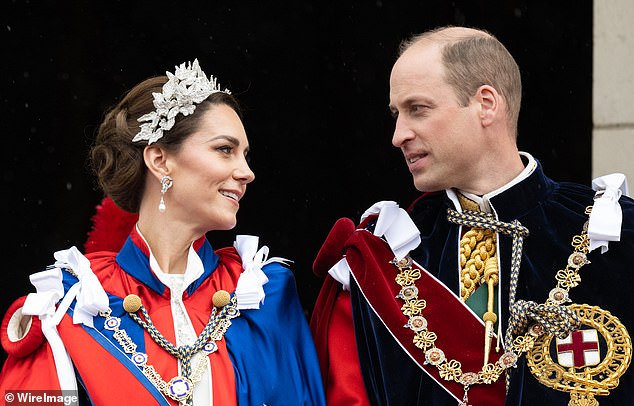
In addition to his diplomatic responsibilities, William also assumed full authority over the Duchy of Cornwall, a portfolio of lands and investments that generates annual income exceeding £20 million. These resources form the basis for funding the public, private, and charitable activities of the prince and his family.
The heir to the throne has also used his new position to integrate sustainability and environmental conservation issues into royal events, continuing the cause defended by his father for decades. His actions have been described by analysts as a subtle modernization of the monarchy’s image, aligning with the concerns of new generations.
Kate Middleton and Resuming Commitments
The Princess of Wales, Kate Middleton, completed her preventative chemotherapy treatment at the end of 2024, announcing remission in January 2025. Her return to public life has been gradual but strategic, with a schedule of around 60 planned events for the year.
The organization’s agenda clearly focuses on cancer awareness campaigns and promoting child health, two areas already central to its charity work. The princess’s personal experience with the disease has given new depth and authenticity to her involvement, generating strong public empathy.
Events such as her participation in World Cancer Day and the launch of new initiatives related to her early childhood education organization have received widespread media coverage. Kate’s work on children’s health has led to changes in public policy in the UK, solidifying her influence as a senior member of the royal family.
Her approach, combining ceremonial duties with focused social activism, is fundamental in reinforcing the image of a modern monarchy engaged with contemporary societal challenges. The Princess has demonstrated resilience and a high sense of responsibility, qualities that reinforce positive public perceptions of the future of the Crown under the Welsh duo’s leadership.
Preparing for the Future of the Children
William and Kate are aware of the importance of preparing the next generation for their future roles in the monarchy. Prince George, second in line to the throne, has been more openly involved in select events, as part of a gradual and protected formation process. By 2024, he had already attended five official appointments, a number expected to quietly increase as he matures. This strategy aims to familiarize the young princes with royal responsibilities without subjecting them to excessive media pressure, a move that reflects William’s own experience. Regular meetings at Kensington Palace, beginning in early 2025, have contributed to refining succession procedures and determining the pace of this generational transition. The couple’s popularity, according to recent polls, reaching 75% public approval—20 percentage points higher than the overall royal family average—is a crucial asset in securing public support for the continuation of the institution.
Family Structure and Division of Duties
To compensate for the king’s absence and support Prince William, other senior members of the royal family have been pushing their own agendas. Princess Anne, known for her work ethic, and the Duke of Edinburgh, Prince Edward, have been receiving increasing patronage and charitable events throughout 2025, ensuring the monarch’s presence across the country remains strong and clear.
This internal reorganization highlights the model of a “lean monarchy” in full operation. The line of direct succession remains clear, with William followed by his children, George, Charlotte, and Louis. Meanwhile, Prince Harry, Duke of Sussex, remains absent from his official duties, and although recent family meetings have suggested reconciliation efforts, his position has not affected the plans for the transfer of power.
Stability is the top priority.
The main message Buckingham Palace is conveying during this challenging period is stability. Missions and a united front, led by hard-working members of the royal family, aim to reassure the public and international partners that the United Kingdom, an institution contributing around £1.8 billion to the national economy, remains firmly on its foundations.
The focus is on demonstrating that the transition, though accelerated by health circumstances, is being handled in an orderly and responsible manner, with Prince William and Princess Kate ready to lead the monarchy into the 21st century.


