
Indiana Fever EMPTY After Caitlin Clark Fans BOYCOTT As Thousands Of Tickets Go Unsold
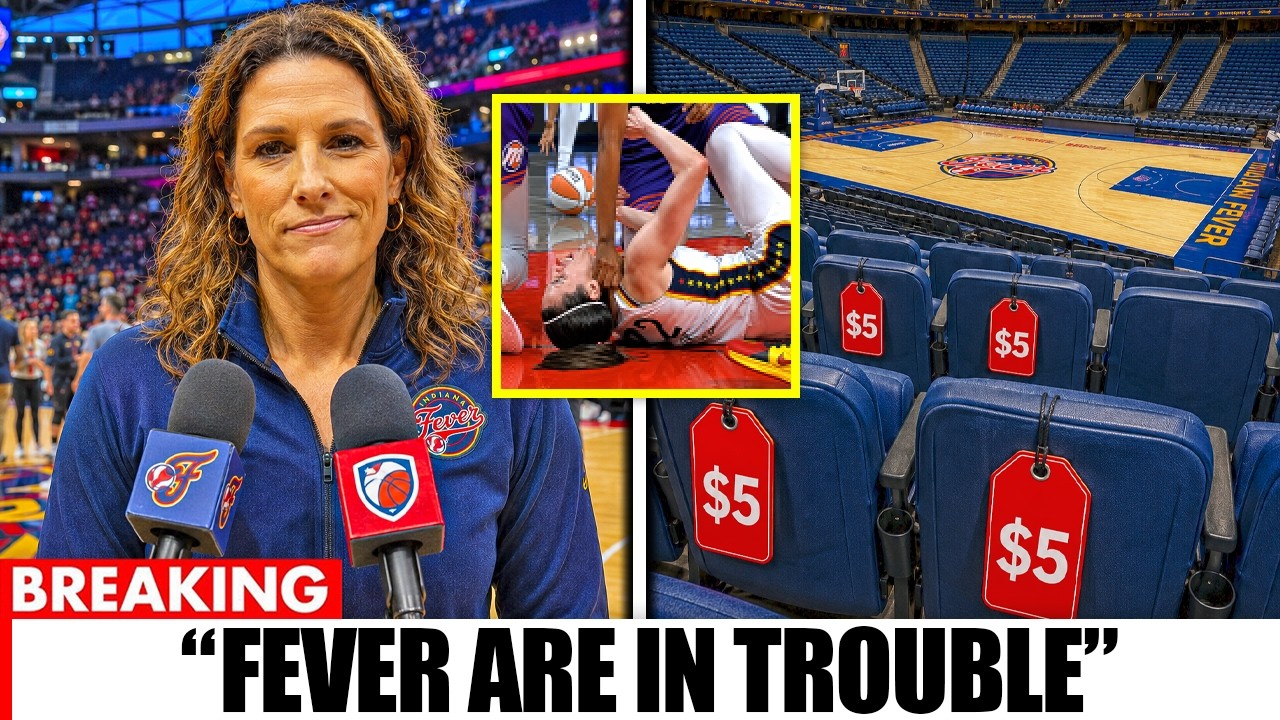
The meteoric rise of the WNBA over the past two seasons has been hailed as a triumph for women’s sports, translating into historic media rights deals, massive corporate sponsorships, and unprecedented television ratings. Yet, this explosive growth has also introduced a volatile new element into the ecosystem: a passionate, highly protective, and economically powerful fanbase that is entirely unafraid to leverage its financial leverage. This reality became undeniable following a highly controversial matchup featuring rookie sensation Caitlin Clark and Connecticut Sun veteran Alyssa Thomas, an event that rapidly escalated from an on-court physical collision into a full-scale economic crisis for the league.
The incident that sparked the firestorm occurred well before the final buzzer, instantly eclipsing the actual competitive outcome of the game. During a heated possession, Thomas delivered a punishing blow that connected directly with Clark’s throat, sending the young star crashing to the hardwood in visible agony. While referees reviewed the play, social media platforms dissolved into complete chaos. The league eventually announced a one-game suspension and a $1,000 fine for Thomas, a disciplinary action that many fans, sports commentators, and even an Iowa senator publicly condemned as absurdly inadequate. For a substantial portion of the basketball community, the play was not an isolated athletic accident; it was a visible manifestation of a targeted, physical hazing campaign that the league has repeatedly failed to regulate.
What sets this specific controversy apart from previous on-court disputes is the immediate, tangible shift from digital complaints to collective economic retaliation. Frustrated by what they perceive as a systemic failure to protect the league’s primary commercial asset, thousands of fans actively organized an institutional boycott. The consequences materialized almost overnight at the gate. Arenas that had spent the early half of the season entirely sold out suddenly featured vast sections of empty seats, with thousands of tickets going completely unsold and secondary market prices crashing at an unprecedented rate.
This sudden drop in attendance exposes the delicate financial architecture of a league undergoing rapid expansion. When fans choose to stay home, the economic damage extends far beyond unsold tickets; it directly cripples game-day revenue streams, including stadium parking, merchandise sales, and high-margin food and beverage concessions. Furthermore, the threat of a prolonged television blackout has sent shockwaves through broadcast executive boardrooms. If viewership numbers face a sustained decline due to fan dissatisfaction, television networks lose their leverage with premium advertisers, potentially compromising the league’s ability to maximize its next multi-billion dollar media rights package.
The situation highlights a profound structural truth that veteran observers have warned about since the start of the boom: the WNBA is currently riding a massive tidal wave of popularity driven by a singular, transformational personality. If the core consumer base believes that the “cash cow” is being subjected to physical danger without consistent regulatory protection, they are entirely willing to dismantle the league’s newfound profit margins to send a message to the front office.

The Initiation Narrative vs. Consistent Protection
The intense debate surrounding the Thomas-Clark collision has divided the sports world into two deeply entrenched ideological camps. Longtime basketball traditionalists frequently push back against the narrative of targeted hostility, arguing that professional basketball has always been an inherently physical contact sport where elite players are subjected to grueling defense. They point to historical icons like Michael Jordan, Kobe Bryant, and LeBron James, all of whom endured brutal physical initiation processes from veteran opponents intent on making every single possession uncomfortable. According to this perspective, Clark is simply experiencing the standard rite of passage required of any generational talent entering a highly competitive professional league.
Conversely, Clark’s supporters argue that there is a distinct, dangerous boundary between aggressive, physical defense and unnecessary, non-basketball contact that poses a legitimate threat to player safety. They contend that expecting a player to simply “get tougher” ignores the physical reality of dangerous hits to the throat or transition collisions designed to cause injury. Their primary objective is not to demand special treatment or delicate handling for Clark because of her celebrity status, but rather to demand consistent, uniform officiating that holds all athletes accountable to the same competitive standards, regardless of their tenure or status in the league.
This disconnect is severely exacerbated by a perceived lack of sportsmanship and accountability within portions of the league’s media apparatus. Rather than addressing the physical safety concerns raised by independent video replays, some rival players and team personnel have attempted to pivot the narrative, portraying themselves as the true victims of online fan harassment. This defensive posture has only fueled the frustration of new consumers, who view it as a refusal to acknowledge the blatant physical targeting captured on national television broadcasts.
As empty seats continue to mar the visual presentation of the Indiana Fever’s home games, the WNBA finds itself confronting a highly complex administrative challenge. No professional sports league wants its institutional identity or long-term financial stability to depend entirely on the health and availability of a single athlete. A thriving, sustainable business model requires consumers to develop deep emotional investments in multiple franchises, diverse superstars, and compelling historic rivalries.
However, ignoring the current commercial reality of the ecosystem is an exercise in financial denial. The historic surge in attendance, the relocation of games to massive NBA arenas, and the unprecedented mainstream media coverage are directly tethered to the public’s desire to watch Clark compete. When injuries or officiating controversies remove her from the equation, the immediate economic contraction proves that the league has yet to convert this massive influx of casual attention into permanent, baseline brand loyalty.
Officiating a professional basketball game requires split-second judgments under immense environmental pressure, and expecting absolute perfection from referees is statistically impossible. Nevertheless, maintaining public confidence is just as crucial as making the correct call on the floor. When fans lose trust in the institutional fairness of the officiating, the entire product is compromised. Until the WNBA establishes a clear, unwavering boundary regarding unnecessary physical contact, every hard foul will cease to be treated as a routine basketball play, transforming instead into a national public relations disaster capable of halting the league’s economic momentum in its tracks.


