
“I thought surviving cancer was the hardest part… I was wrong.” For more than a decade, Carol McGiffin has smiled through TV appearances while quietly fighting a body that never healed the way everyone expected. Long after beating triple-negative breast cancer, she says it was the treatment — not the disease — that truly changed her life. Years of exhaustion. Countless attempts to feel “normal” again. And a truth she only now feels ready to share. This isn’t a story about illness. It’s about what happens after the world stops asking how you are.
Ten Years Cancer-Free… But The Pain She Hid Was the Real Battle: Carol McGiffin’s Quiet Strength, Her Losses, and the Decade of Healing No One Saw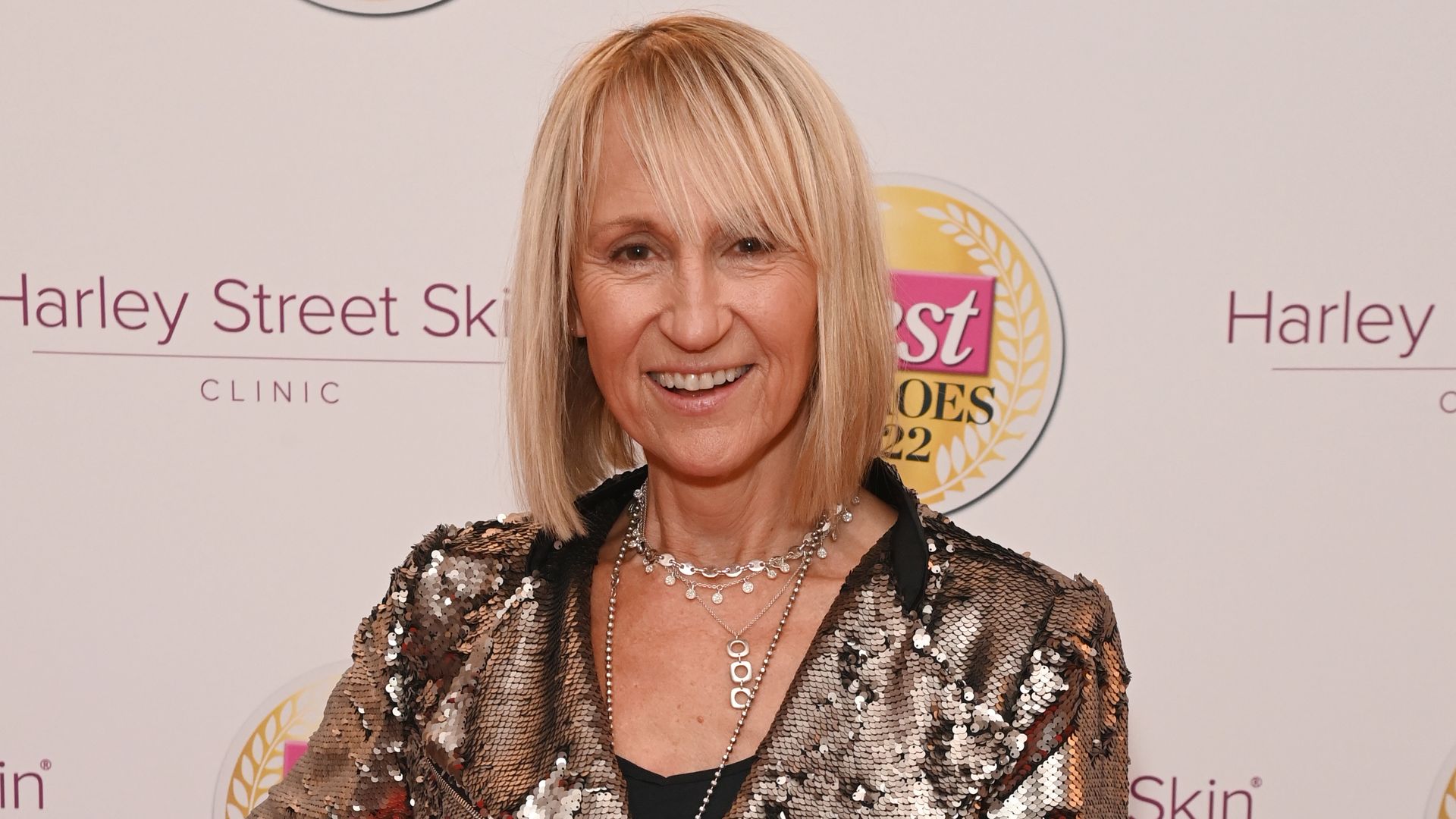
Ten years after beating breast cancer, former Loose Women star Carol McGiffin is finally letting the world see the story that existed beyond the headlines — not just the moment doctors declared her “cancer-free,” but the scars, grief and relentless strength that followed long after the cameras moved on.
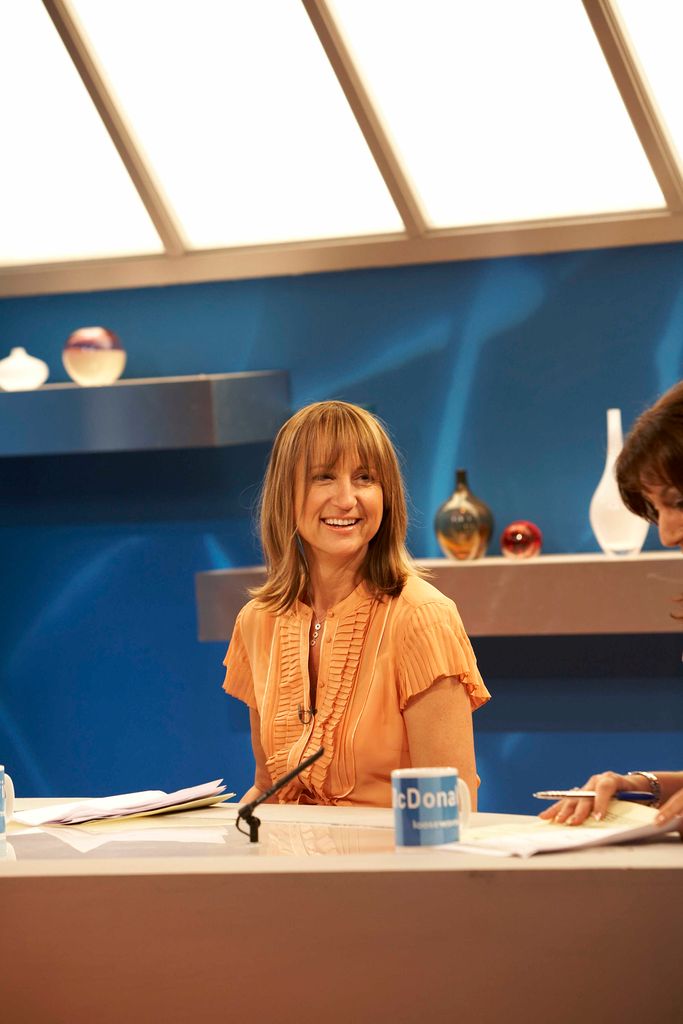
Carol joined Loose Women in 2000 and became one of the show’s most recognisable faces. But her private journey began in 2014, when she received a diagnosis she initially chose to keep secret. She later admitted she didn’t want sympathy or special treatment, telling The Mirror she simply wanted her life to return to normal. She would hide her hair under a hat just to avoid questions.
The staff at the Royal Free Hospital became her lifeline — doctors and nurses who guided her through surgery, chemotherapy and radiotherapy. Carol later said they “all deserved a medal.”
By 2015, she was officially in remission, but the ordeal was far from over. She described how each round of chemotherapy took more from her than the last — the first almost bearable, the sixth leaving her utterly drained. Eventually, she learned to surrender to rest, discovering a strange sense of peace in finally letting go.
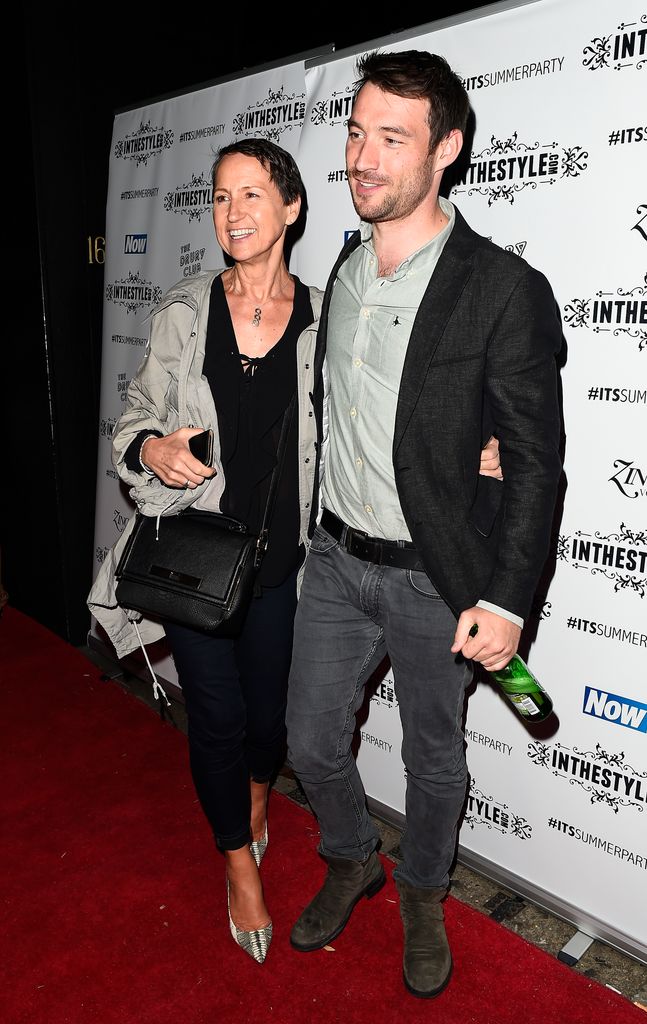
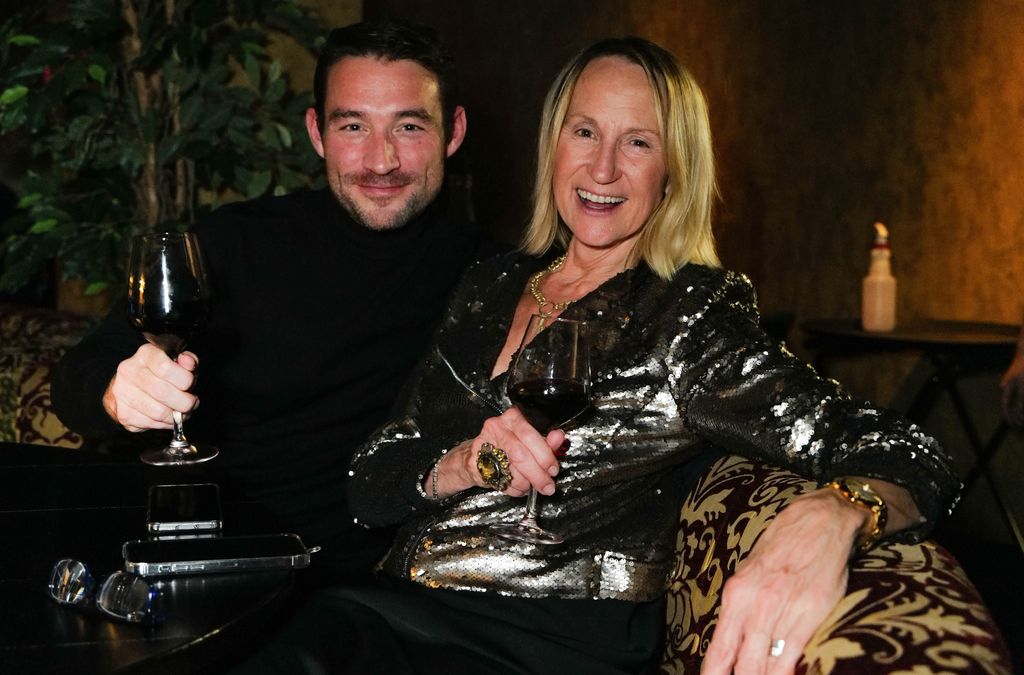
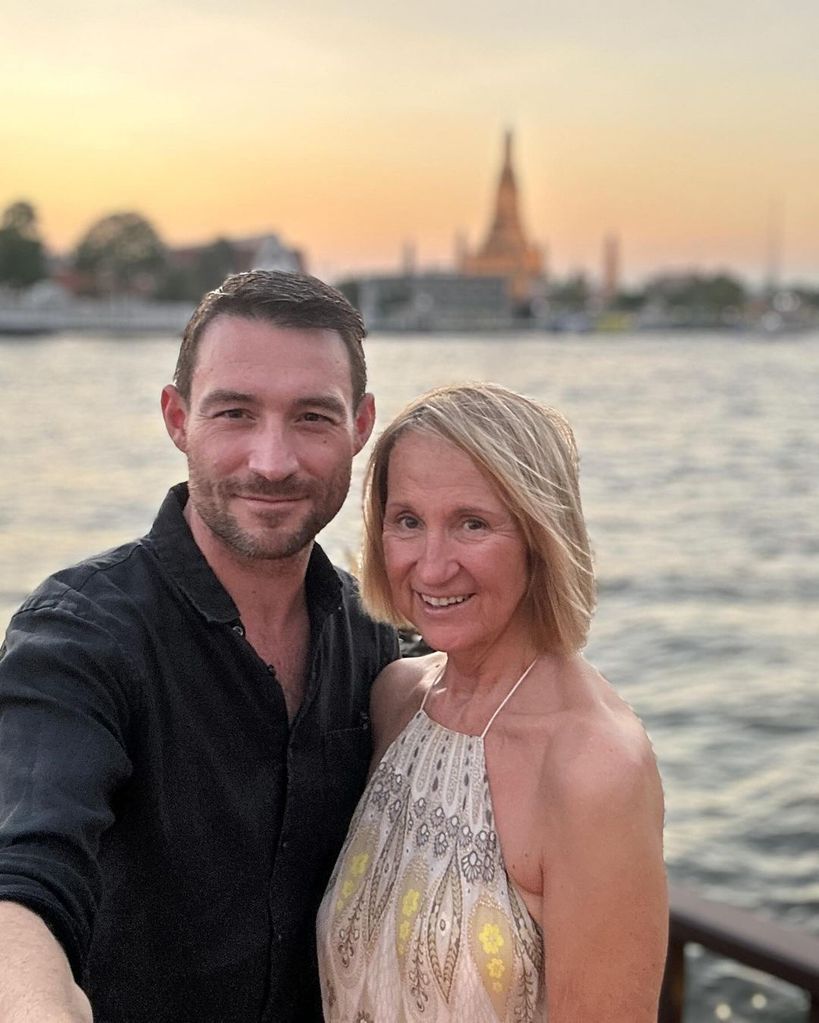
During her treatment, her fiancé Mark Cassidy became her anchor. Their bond was kept alive through humour — he would even wear her wig to make her laugh. She joked about her bald head. Laughter, she said, was how they survived. They married in 2018, and Carol declared that “normal service had resumed.” If cancer returned, she promised she would face it again.
But heartbreak came in another form when her younger sister Tracy was diagnosed with aggressive cancer that had already spread to her spine, liver, brain and lungs. Carol clung to the final months they had together — seaside trips, shopping days, long lunches — moments that became priceless as Tracy faded. Writing in Best Magazine, she said she was grateful for those last four months, the chance to “get to know her all over again.” Later, her mother also died of cancer, weaving the disease permanently into her family’s story.
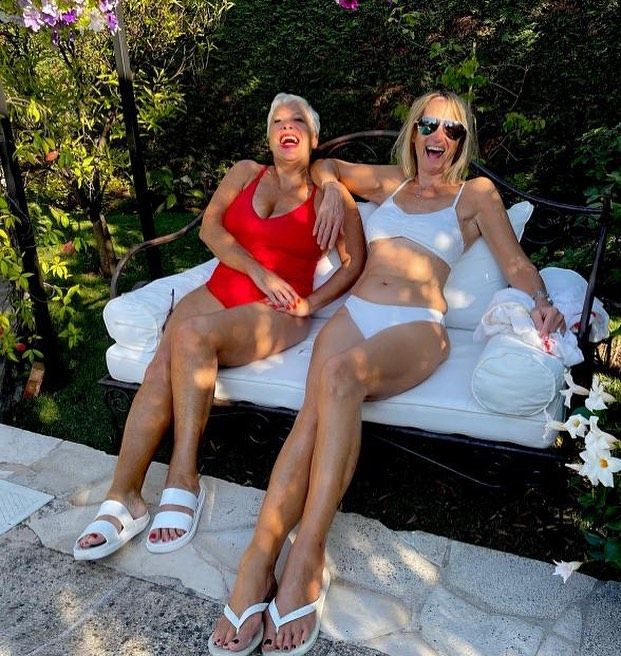
Carol’s own recovery brought lifelong changes. She chose not to undergo reconstructive surgery after her mastectomy, torn between wanting her body to look “normal” and fearing more hospital time if the illness ever returned. She now posts bikini photos to help other women feel less alone, even while admitting the asymmetry is a reminder she carries daily.
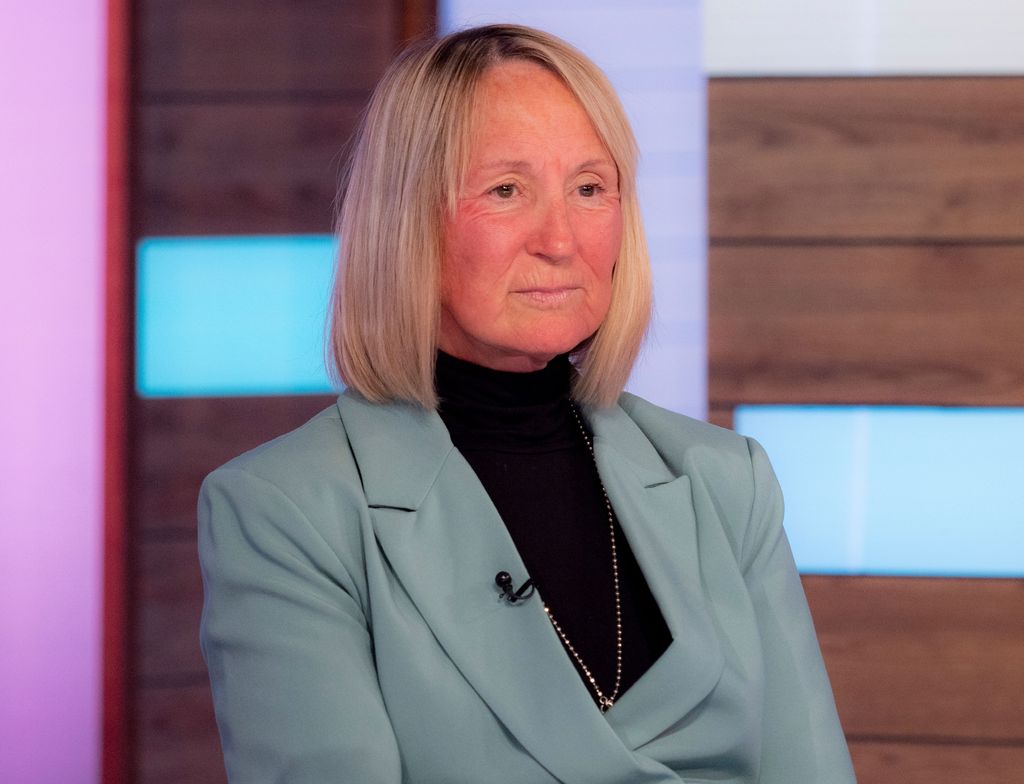
Her exit from Loose Women followed rising stress that began to show physically — her face becoming inflamed and sore during on-air flare-ups. She stopped wearing makeup during those moments, earning praise from fans for her honesty. After leaving the show, the condition eased, reinforcing that the pressure had become too much.
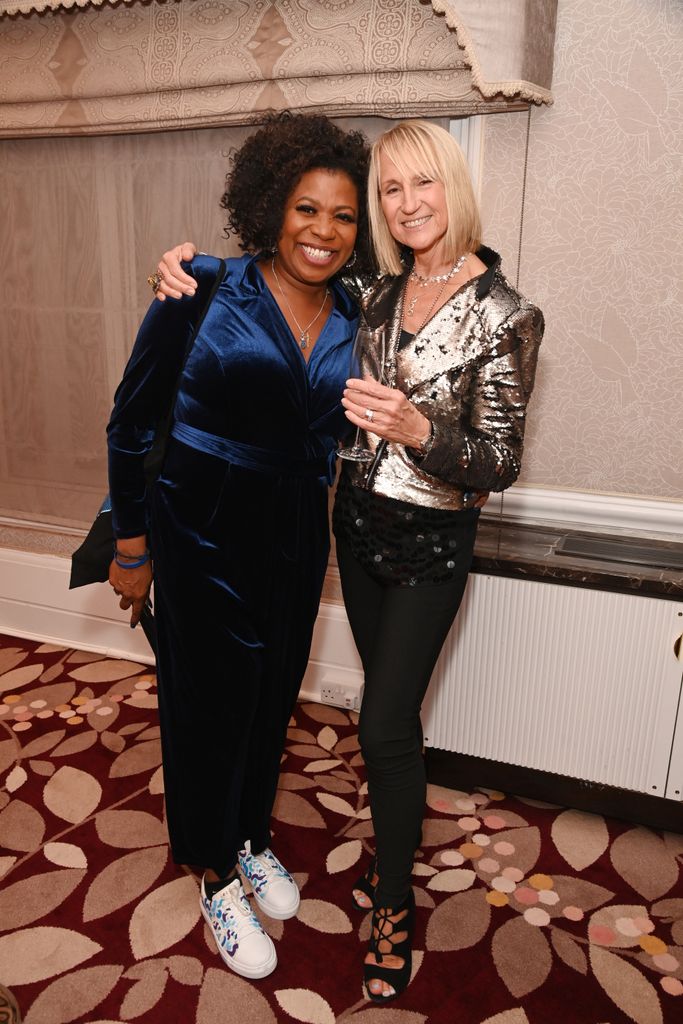
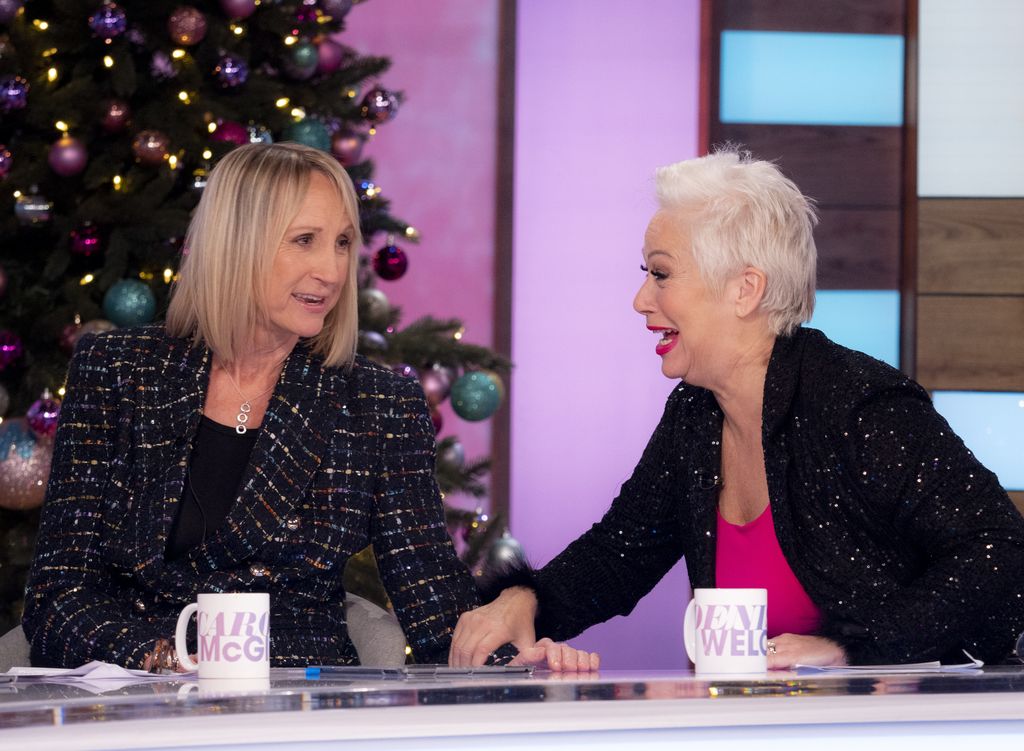
Lockdown then triggered another internal battle. Carol admitted she came closer than ever to seeking mental-health support, plagued by anxiety dreams, fear and sleepless nights. Some mornings, she said, she simply couldn’t get out of bed. For the first time, she truly understood co-host Denise Welch’s past struggles with depression.
She also revealed that after turning 40, she remained celibate for seven years following her mother’s death — a period shaped by grief that stole her desire for intimacy until she met Mark. Experts later explained such emotional shutdowns are common when grief overwhelms the body and mind.
Now, ten years on, Carol McGiffin’s story is no longer just about survival — it is about rebuilding, grieving, laughing, losing and choosing joy whenever it dares to appear.
Ten years cancer-free — still healing, still learning, still inspiring.


