
The death of British boxing legend Ricky Hatton at the age of 46 sent shockwaves throughout the sporting world and left his family, friends, and fans in deep mourning. Hatton was found dead at his home in Hyde, Greater Manchester, on September 14 of last year. Following a detailed inquest, a pathologist concluded that the cause of death was hanging, while also identifying evidence of Chronic Traumatic Encephalopathy (CTE), a degenerative brain condition often associated with repeated head trauma. Although the level of CTE was described as mild, it highlighted the long-term physical toll of Hatton’s boxing career.
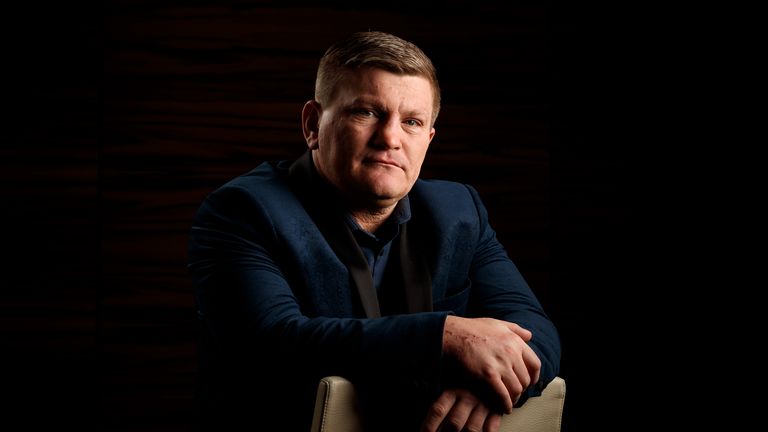
Dr. Neil Papworth, who examined Hatton’s brain, reported that there were no visible abnormalities at a macroscopic level. However, microscopic analysis revealed chronic neuronal loss, indicating damage to nerve cells. This condition is often linked to repeated blows to the head, which Hatton experienced throughout his professional career. Despite these findings, Dr. Papworth stated that it was not possible to determine exactly how CTE may have affected Hatton’s mental state or contributed to his death.
The circumstances surrounding Hatton’s passing were carefully examined. He was found fully dressed in the games room of his home. Nearby, there was an empty bottle of wine on the pool table and a half-filled glass on the bar. The lights were off, but music was still playing from a television. There were no signs of forced entry or disturbance, and no suicide note was discovered. Emergency services were called to the scene, but they could not determine the exact time of death. The injuries observed were consistent with hanging, and there was no evidence suggesting suspicious circumstances.
During the inquest at South Manchester Coroners’ Court, statements from Hatton’s family painted a picture of a man who was deeply loved but struggled with personal challenges. His son, Campbell, described him as a happy and laid-back individual who approached both life and sport with full commitment. He characterized his father as fearless, someone who lived intensely and without regret. However, he also revealed that Hatton had been battling mental health issues and memory loss in recent years.
Campbell noted a noticeable decline in his father’s short-term memory. Hatton would forget conversations, including one that had taken place just days before his death. At times, he appeared confused and forgetful, which concerned those close to him. Despite these difficulties, Campbell believed that his father’s death was not premeditated. He shared that Hatton had seemed to be in a better place emotionally in the period leading up to his passing.

Further evidence presented in court included toxicology results, which showed that Hatton had a high level of alcohol in his system at the time of death—approximately twice the legal driving limit. The findings suggested he was intoxicated, and it was likely that alcohol was still being absorbed into his bloodstream. There was also evidence of prior cocaine use and cannabinoids in his system, although there was no indication that cocaine had been consumed shortly before his death.
Statements from other family members added emotional depth to the proceedings. Hatton’s former partner, Jennifer Dooley, spoke of their life together and the joy he brought to their daughters. She recalled how he was a proud and attentive father who enjoyed spending time with his children, attending their school events, and sharing playful moments such as dancing together. Hatton’s mother, Carol, described their final meeting, recalling a powerful hug and noting that his eyes appeared sad, despite discussions about future plans.
Indeed, Hatton had been making plans for the future. He was looking forward to trips to Dubai and Thailand and had intended to spend more time with his family. However, concerns about his finances and personal struggles appeared to weigh on him. Despite these challenges, those closest to him emphasized his love for his family and his desire to move forward in life.
The coroner ultimately recorded a narrative conclusion, stating that while Hatton died by hanging, it could not be definitively determined whether he intended to take his own life. The presence of alcohol and underlying neurological changes complicated the assessment of his state of mind at the time.
:max_bytes(150000):strip_icc():focal(999x0:1001x2)/Ricky-Hatton-obit-091425-05-0edf06878db3494ea9017332ee4236d2.jpg)
Hatton’s death prompted an outpouring of grief across the UK. Thousands of fans gathered to pay their respects, and a memorial service was held at Manchester Cathedral, attended by prominent figures from sports and beyond. Despite his remarkable success in boxing, including 45 wins in 48 fights and a substantial fortune, Hatton’s legacy is also defined by his humanity—his love for his family, his struggles, and the lasting impact he had on those around him.
In the wake of his passing, the Ricky Hatton Foundation has committed to supporting individuals facing mental health challenges, ensuring that others do not have to endure such battles alone.


